
WSRC-TR-2000-00373
FY00 Phytoremediation of Trichloroethylene and
Perchloroethylene
in the Southern Sector of SRS
R. L. Brigmon, D. Altman, E. Wilde, C. J. Berry, M. Franck, F. Washburn, P. McKinsey, and C. Tuckfield
Westinghouse Savannah River Company
Aiken, SC 29808
F. M. Saunders and K. Sessions
Georgia Institute of Technology
A. Stanhope
Florida A&M University (FAMU)
This report was prepared as an account of work sponsored by an agency of the United States Government. Neither the United States Government nor any agency thereof, nor any of their employees, makes any warranty, express or implied, or assumes any legal liability or responsibility for the accuracy, completeness, or usefulness of any information, apparatus, product or process disclosed, or represents that its use would not infringe privately owned rights. Reference herein to any specific commercial product, process or service by trade name, trademark, manufacturer, or otherwise does not necessarily constitute or imply its endorsement, recommendation, or favoring by the United States Government or any agency thereof. The views and opinions of authors expressed herein do not necessarily state or reflect those of the United States Government or any agency thereof.
This report has been reproduced directly from the best available copy.
Available for sale to the public, in paper, from: U.S. Department of Commerce, National Technical Information Service, 5285 Port Royal Road, Springfield, VA 22161, phone: (800) 553-6847, fax: (703) 605-6900, email: orders@ntis.fedworld.gov online ordering: http://www.ntis.gov/support/ordering.htm
Available electronically at http://www.osti.gov/bridge/
Available for a processing fee to U.S. Department of Energy and its contractors, in paper, from: U.S. Department of Energy, Office of Scientific and Technical Information, P.O. Box 62, Oak Ridge, TN 37831-0062, phone: (865 ) 576-8401, fax: (865) 576-5728, email: reports@adonis.osti.gov
Executive Summary
This treatability study addresses the fate of volatile organic contaminants (VOCs) in an experiment that simulates a vegetated seepline supplied with trichloroethylene (TCE) and perchloroethylene (PCE) -contaminated groundwater. The primary objective is to determine how the trees uptake TCE and PCE, accumulate it, and/or transform it. Phytoremediation is the use of vegetation for the treatment of contaminated soils, sediments, and water. Phytoremediation is an emerging technology that promises effective and inexpensive cleanup of certain hazardous wastes. Experimental focus is on the removal of VOCs from the groundwater by phytoremediation or associated soil microorganisms. The removal of chlorinated ethenes by phytoremediation and monitored natural attenuation (MNA) using these technologies at the field scale is ongoing.
In October 1999, SRS initiated a pilot-scale phytoremediation treatability study to support remediation of chlorinated ethenes in the Southern Sector of A/M Area. The project has concentrated on groundwater upgradient of the seepline at Tims Branch. The field research has the objective of determining the efficiency of plants and soil for in situ bioremediation of the VOCs, TCE and PCE, under specific site conditions. Well MSB 88 was selected as the groundwater supply because of it’s VOC concentrations (TCE 188 ppb, PCE 55 ppb) and proximity to the seepline. Three phytoreactors were deployed with soil from the seepline. Phytoreactor 1 was planted with loblolly pines (Pinus taeda) native to SRS, phytoreactor 2 was planted with hybrid poplars (Trichocarpa X deltoides), and phytoreactor 3 was left non-2vegetated as a soil control to evaluate monitored natural attenuation (MNA) of TCE and PCE.
The phytoreactors were supplied with a continuous flow of contaminated groundwater from well MSB 88. Preliminary results from the study show reduction in groundwater VOCs and suggest removal of the contaminants by the trees and soils at the concentrations tested are possible. Results to date demonstrate that the loblolly pine phytoreactors can remove up to 90% of the TCE and 80% of the PCE. The hybrid poplar phytoreactors demonstrated up to 100% removal of the groundwater contaminants. No detectable amounts of these VOCs were found in transrespiration, soil volatilization, or soil core testing. Microbial activity in the phytoreactors and seepline soils is under investigation. Anaerobic microcosms for assessing soil biotransformation of TCE and PCE are in process.
The ongoing treatability study is part of a multi-year field study of SRS seepline-soil systems maintained under saturated conditions. The primary focus is on determining the roles of (i) trees; (ii) seepline groundcover (iii) soil microbial communities, as well as geochemical and surface-volatilization processes, in determining the fate of TCE and PCE in contaminated groundwater that flows through surface seepline areas. Previous observations indicated that biogeochemical processes of plants are seasonal, as are seepline flows. Therefore, FY00 represented an initial acclimation phase for soil and plant systems and will facilitate examination of seepline phyto- and bioactivity in subsequent growth season in FY01. Initial results indicate that phytoremediation and MNA have considerable potential for the removal of TCE and PCE in the Tims Branch flood plain and seepline.
Keywords: Phytoremediation, bioremediation, perchloroethylene, trichloroethylene, and groundwater
Background
It has been estimated that over 13 million pounds of chlorinated degreasing solvents, including trichloroethylene (TCE) and perchloroethylene (PCE) were used at SRS during reactor operations. Although much of the waste volume was reduced by evaporation, over 3 million pounds, including 317,000 pounds of TCE, were discharged to the M-Area Settling Basin and the A-014 outfall. The
M-Area Settling Basin and A-014 outfall were unlined and much of these solvents seeped into the subsurface contaminating the groundwater. The associated groundwater zones in A/M Area (i.e. M-Area and Lost Lake Aquifers) discharge to seeplines adjacent to Tims Branch and Upper Three Runs Creek (WSRC-TR-99-00113). As part of the ongoing compliance and research activities at SRS, evaluations of the nature and extent of groundwater contamination in the A/M-Area are ongoing in the Southern Sector, primarily between recirculation wells and the seepline area. Based on the local hydrogeology and topography, it was predicted that VOC contaminated groundwater would emerge as surface water along a seepline region in the Southern Sector of the A/M-Area. The seepline is presently heavily covered with a variety of vegetation. This area lends itself to the potential of phytoremediation with species known to degrade VOCs and monitored natural attenuation (MNA).
Previous research at SRS has demonstrated the potential for phytoremediation of chlorinated ethenes. A recent investigation of a shallow VOC contaminant plume at the SRS TNX flood plain demonstrated that bald cypress (Taxodium distichum), tupelo (Nyssa aquatica ) and loblolly pine (Pinus taeda) contained significantly higher levels of chlorinated ethenes than adjacent oak (Quercus spp.) and sweet gum (Liquidambar stryaciflua) trees in the same area (Vroblesky, Nietch, and Morris, 1999). Walton and Anderson (1990) previously observed accelerated microbial degradation of TCE in slurries of rhizosphere soil and mineralization of TCE in whole plant systems collected from samples at a former SRS solvent disposal site, the Miscellaneous Chemical Basin (MCB). Two species where enhanced microbial degradation of TCE was observed at the SRS were a legume, Lespedeza cuneata and loblolly pine, Pinus taeda (Anderson and Walton, 1995).
The extent to which rhizosphere VOC remediation varies among soils in this area is uncertain. However, a better understanding of such variability is necessary since rhizosphere responses to seasonal changes including plant succession, rainfall, and temperature can significantly influence potential VOC bioremediation. A microcosm study was undertaken to estimate the potential of Southern Sector rhizosphere soils along the seepline to naturally attenuate TCE. This study demonstrated that sorption to soil was the dominant mechanism removing as much as 90% TCE (Brigmon et al., 1998). A limited amount of TCE aerobic biodegradation and anaerobic reductive dechlorination was observed through the appearance of cis-1, 2-dichloroethylene (c-DCE), and trans-1, 2-dichloroethylene (t-DCE) in microcosm tests. Soils from vegetated areas mineralized TCE several times greater than soils from adjacent non-vegetated areas (Walton and Anderson, 1990). It has been suggested that a possible mechanism for the enhanced microbial mineralization of TCE in the L. cuneata rhizosphere soil is excretion of phenolic compounds in root exudates. Since phenol is a known inducer of toluene monooxygenase, an enzyme responsible for degradation of TCE, the natural plant exudates could play a role in biodegradation of TCE in the rhizosphere (Anderson, Guthrie, and Walton, 1993). The microbial data collected in this study through the BIOLOG system that tests for aromatic substrate activity could demonstrate this potential. Select plants including hybrid poplars are capable of TCE metabolism and transformation (Newman et al., 1997; Schnabel et al., 1997). Selection of the appropriate plant species can be critical to the success of phytoremediation technology. The two tree species selected for this study based on their phytoremediation potential were the loblolly pine, L. cuneata, and a hybrid poplar, Trichocarpa X deltoides. In this project, both soil microbial and tree activity as pertaining to VOC attenuation is being monitored.
One of the primary functions of root exudates is to mobilize inorganic nutrients required by the plant. Exudates also contain natural chelating agents (citric, acetic, and other organic acids) that make the ions of both nutrients and contaminants more mobile in the soil. Exudates may also include enzymes, such as nitroreductases, dehalogenases, and laccases. These enzymes have important natural functions, but may also degrade organic contaminants that contain nitro groups or halogenated compounds (Fliermans et al., 1988). Some rhizosphere microorganisms secrete plant hormones that increase root growth, and thereby the secretion of root exudates that contain metabolites used by the bacteria including proteins and carbohydrates. Exudation of organics by plant roots and turnover of organic root biomass has also been found to increase the TCE sorption capacity of soil (Schnabel et al., 1997). The microbial ecology of soil associated with bioremediation in mycorrhizal roots such as pine has not been well characterized even though this environment forms a large habitat and provides extensive surface area for bacterial colonization. It was previously observed that the rhizosphere soils in the SRS Miscellaneous Chemical Basin (MCB) contained higher quantities of potential TCE-degrading bacteria than the Southern Sector soil samples that have not been exposed to chlorinated-solvent contamination (Brigmon et al., 1999). Nichols et al. (1997) has previously demonstrated that higher microbial populations are present in organic-contaminated rhizosphere soils as compared to non-contaminated rhizosphere soils. These microbial data from this year emphasize the heterogeneous nature of rhizosphere plant-microbial interactions and provides a foundation for more focused microbial studies this upcoming year.
A better understanding of the potential mechanisms involved for enhanced biodegradation in the root zone and the interaction between plants, microorganisms, and contaminants can be useful in phytoremediation applications by helping in the plant selection process. This information could lead to improved land management practices for phytoremediation applications including selection of plants, soil amendments, and irrigation systems. Future work based on these techniques could be used to determine phytoremediation deployments and strategies in response to TCE/PCE-contaminated groundwater movement through the Southern Sector seepline.
The techniques describe here in conjunction with other applications should provide tools for screening plant species and soils for phytoremediation and MNA activity. Application of phytoremediation should provide significant advantages over conventional remediation techniques for chlorinated ethene-contaminated groundwater. The metabolic actions of the plants and soils in combination with physical reductions of VOCs by volatilization and dilution will enable active remediation at the rhizosphere of the seepline.
Activities
Field Treatability Test. After initial site selection (Well MSB 88), an evaluation of Southern Sector soil was undertaken. The area selected was based on the proposed location identified by the Environmental Restoration Department and the well VOC concentrations. The soil (very sandy with red clay) in the area of MSB 88 is not representative of the seepline. Therefore, soils had to be brought to the study site from the seepline. Soils above (to 0.5 m depth below surface) and below the rhizosphere (0.5-1 m depth below surface) were collected in the vicinity of Well MSB 50 (located in the vicinity of the seepline area) for the study. The Georgia Institute of Technology (GT) set up soil columns on 5-28-99 for initial flow and soil-permeability tests. Hydraulic permeability and porosity measurements were made to assist in soil characterization and assessing phytoreactor design and soil placement in the phytoreactors. On 9-28-99, the double insulated Phytoreactors (72"x 48"x30") (Bonar Inc., Atlanta, GA) were brought to the site for set up. Initial startup testing of the Phytoreactors began with groundwater from MSB-88 B that had low (5 ppb) VOC concentrations. Figure 1 shows a diagram of the project field deployment configuration. Figure 2 illustrates the phytoreactor and the set up process. In January 2000 permission was received to use Well MSB 88C that had concentrations in the 120-ppb range for TCE and 60 ppb range for PCE. On 3-20-00, all Phytoreactors were placed in operation receiving contaminated groundwater.
The phytoreactors were developed with an upflow pattern of groundwater flow. Groundwater from MSB-88C is pumped into a 1000 gal polypropylene storage tank that supplies the phytoreactors though a gravity-fed system. A 3-in. layer of gravel in the bottom of the phytoreactors supports a 2-line influent-distribution system in the bottom of each phytoreactor. The gravel layer was then covered with 20 in. of seepline soil. Two separate effluent collection systems were included in each phytoreactor. The effluent collection lines are located 10 in. and 18 in. (i.e., immediately below the soil surface) above the influent lines and parallel to them. This flow pattern allows for simulation of the groundwater upflow through the seepline soils and the collection and removal below the root zone of the plants. The effluent collection system at the 10-in. depth is the one being used in all phytoreactors and provides a 10-in. saturated flow zone and a 10-in. vadose zone for the phytoreactors. Three phytoreactors were set up for the project. Loblolly pine (L. cuneata) was planted in Phytoreactor 1, the hybrid poplar (Trichocarpa X deltoides) in Phytoreactor 2, and Phytoreactor 3 contained only seepline soil as a non-vegetated control. A 1000-gallon steel tank is used for effluent collection downhill from the site.
Collection of Samples. Sampling groundwater from the phytoreactors for chemical and microbial analysis began on March 30, 2000. During April 2000, the phytoreactors were sampled weekly for groundwater influent and effluent microbial activity, VOCs, and ion analysis. Thereafter, influent and effluent groundwater and soils from the phytoreactors were sampled monthly.
Analyses
Flow measurements. The influent flow rates for phytoreactors 1, 2, and 3 were collected using a digital flow meter and a datalogger (Campbell Scientific Inc.) powered by a solar cell. While SRTC assisted in set-up of the system, GT was responsible for weekly monitoring and down loading the flow data. The flow rates for each phytoreactor were logged every fifteen minutes. This fifteen-minute value represented an average flow rate over that particular time period.
Gas Chromatography. Samples were taken from phytoreactor groundwater influent and effluent for VOC analysis. Soil samples were collected by hand auger from four locations in each Phytoreactor, two shallow (.5 m), and two deep (1 m). Each soil sample was collected with a modified plastic syringe and placed directly into a 20 mL glass vial with 5 mL deionized water and immediately sealed for subsequent VOC analysis. Chlorinated ethene analysis was performed on samples in sealed glass vials using headspace gas chromatography (GC). The headspace GC method minimizes sample handling and preparation and measures the bulk (sorbed, dissolved, vapor, and NAPL) TCE content of the sample. Samples were analyzed using a Hewlett-Packard 5890 gas GC equipped with a flame ionization detector (FID) and a 60-m SPB1™ column (0.75-mm ID, 1-µm thick; Supelco, Bellefonte, PA). Transrespiration and soil volatilization gas samples were collected in the field by the method described by Newman et al. (1997). Manual injections of samples from Tedlar gasbag samples from transrespiration and soil volatilization measurements were made with a 250-m L gastight syringe (Precision Scientific, Baton Rouge) (Newman et al., 1997).
Ion Chromatography. Chloride, nitrite, nitrate, phosphate, and sulfate groundwater concentrations were measured with a Dionex DX500 ion chromatograph equipped with a conductivity detector, and a 250-mm Dionex IonPac AS14 Analytical column (4-mm ID, 16-m m bead; Dionex Corp., Sunnyvale, CA), operated at ambient temperatures. A 3.5 mM sodium carbonate/1 mM sodium bicarbonate buffer solution was used as the eluent (1.2 mL/min). Samples were taken from the supernatant of a solution prepared from groundwater or 5 g of dry soil (dried at 121°C for 24 hours) and 5-mL of deionized water vortexed for 1 minute then centrifuged for 5 minutes at 2500 rpm.
Microbial densities. Comprehensive analysis of specific microbial populations and characterization of the metabolic activity of whole microbial communities can be an effective tool to predict the bioremediation potential of a natural system. These analyses can enable monitoring the activity of specific microorganisms in reducing and/or removing harmful groundwater contaminants. In this project groundwater samples were collected in sterile 50-mL centrifuge tubes and transported to the lab for immediate microbiological processing. Total microbial population densities in phytoreactor influent and effluent groundwater and soils were determined by the Acridine Orange Direct Count (AODC) Method (Balkwill, 1989). The viable microbial population densities of aerobic and facultative heterotrophic bacteria in groundwater and soils were determined using spread plate techniques. Low concentrations (1%) of Peptone-Trypticase-Yeast extract-Glucose (PTYG) media was used (Balkwill, 1989). Community-level physiological analysis using BIOLOG GN2 plates indicates the utilization rate of 95 carbon sources by microorganisms in the groundwater. Individual substrate utilization patterns of groundwater microbial communities were obtained with BIOLOG GN2 plates from each groundwater sample. Groundwater (150 m l) samples were used for direct inoculation of the BIOLOG plates. Autoclaved deionized water was used as a control. All plates were incubated at room temperature and the absorbance (590 nm) of the wells recorded after 1 week. The color intensity of BIOLOG GN2 plates was expressed and calculated as the mean of the 95-absorbance values corrected for the background control.
Microcosm Studies. Microcosm tests were set up at GT to assess the microbial activity and ability of phytoreactors and seepline soils to transform PCE, TCE, and typical degradation products of TCE and PCE. Anaerobic microcosms were established to evaluate the potential for indigenous microorganisms to dechlorinate PCE, TCE, dichloroethene (cis-DCE), and vinyl chloride (VC) to subsequent end-products. Microcosms were established in 20-mL vials. Each microcosm contains 2 grams of wet sediment material, 9 mL of phosphate buffered ground water containing a designated electron donor, and 100 m L of hexadecane containing the chlorinated compound, i.e. PCE, TCE, or cis-DCE. Vinyl chloride was added to designated microcosms in gaseous form (i.e., not with hexadecane). The electron donors used were lactate, acetate, or hydrogen (H2). Acetate and lactate were added at a concentration of 2mM. In the microcosms containing hydrogen (H2) as electron donor, 3mL of hydrogen gas were added to each microcosm. Resazurin was used as a redox indicator. This dye stays colorless when reduced and becomes pink when oxidized, thus quickly indicating any oxygen contamination of the microcosm. The electron acceptors (chlorinated compounds) used were PCE, TCE, cis-DCE, and VC. Anaerobic microcosms are being used to assess activity for transformation of TCE and PCE to degradation products, as well as the presence of bacterial populations indicative of other favorable bioprocesses (e.g., halorespiration and methanogenesis).
Microbial Respiration. Metabolic chambers were set up with a respirometer (Columbus Instruments Inc., Columbus, OH) to measure soil microbial respiration in the phytoreactors. This method measures the rates of soil oxygen consumption and carbon dioxide production. These measurements were made in August, 2000, when the trees were fully developed. Two soil samples were taken from each Phytoreactor with a stainless steel hand auger. A shallow sample was taken from the top 0.5 m of soil and a deep sample was taken from the bottom of the Phytoreactor in the saturated zone.
Results and Discussion
Flow measurements. Groundwater supplying the phytoreactors has been measured with flowmeters interfaced with a datalogger powered by solar cells. While all phytoreactors were set up with an influent of 20 mL groundwater per minute(~7.6 gal/d), the rate constantly changes as a result of soil settling, weather conditions, plant growth and root development (particularly in Phytoreactor 2), and changes in the supply system (i.e. supply tank water levels). Included are plots of data from Phytoreactors 1, 2, and 3 demonstrating the variability in the flow data (Figure 3 a-c). The peaks in flow are when the supply tank is filled. Figure 10 demonstrates data from a groundwater effluent flow study from all three phytoreactors from 8/9/00 to 8/17/00. In comparing the groundwater influent flow rates from the three phytoreactors (Figure 3) to effluent flow rates (Figure 4), it is of interest that Phytoreactor 2 (poplars) appeared to have the highest influent groundwater input and yet the lowest effluent measured.
Removal of TCE and PCE. When filling the supply tank (Figures 1 and 2) it was found that Well MSB 88 has consistent VOC concentrations (TCE 188 ppb, PCE 55 ppb) based on historical quarterly monitoring data history. By the time the test phytoreactors with seepline soils actually receive the continuous flow of contaminated groundwater, the concentration averages around 46 ppb TCE and 48 ppb PCE. The concentration of TCE and PCE in both phytoreactor influent and effluent groundwater is shown in Figures 5 and 6, respectively. All three phytoreactors show a reduction in both TCE and PCE groundwater concentrations in the effluent compared to the influent. Phytoreactor 2 (Hybrid Poplar) has shown no detectable PCE or TCE in the effluent groundwater for June and July 2000 sampling events, indicating total removal. In July, the first samples were taken for soil volatilization and plant transrespiration. No detectable TCE or PCE (<5ppb) was found in soil volatilization from any of the phytoreactors. All measurements from the pine and poplar showed no detectable amounts of TCE and PCE being transrespired. These measurements were repeated in August, 2000 with the same results.
There appears to be significantly larger (P <0.05) TCE and PCE concentrations in the influent than in the effluent in every Phytoreactor (1, 2, and 3). However, there was no significant correlation between the influent and effluent difference and any of the covariates, viz., cumulative mean daily temperature, cumulative daily A/M-area rainfall, or the mean of the day's barometric pressure for the given sampling date. In other words, these covariates were not helpful in partitioning out any variability in the response measure of influent and effluent difference for either TCE or PCE. The same is true for the cumulative maximum daily temperature, cumulative maximum SRS rainfall, or the maximum of the day's barometric pressure. Both the common logarithm and the cube root transformations were also used on the influent and effluent measurements to see if differences in the transformed variables were correlated with the covariates. In no instance, however, was there a statistically significant correlation between a transformed response variable difference and any of the covariates.
Although poplars (Phytoreactor 2) appeared to be the most effective treatment so far as contaminant removal in June and July FY00 (Figures 5 and 6), no statistically significant difference existed between any pair of phytoreactors when comparing the average influent and effluent groundwater TCE and PCE difference among phytoreactors. This suggests that the treatment assigned to each phytoreactor was as effective in the remediation of both TCE and PCE as any other phytoreactor. In order for this interpretation to be convincing, the influent and effluent difference must be demonstrated not to be due in large measure to the groundwater distribution system. It must be shown that the delivery system was not simply overwhelming whatever treatment differences there might have been between pairs of phytoreactors.
Plant tissues (roots, stems, and leaves) from the pine and poplar have recently been taken from the phytoreactors for analysis of PCE, TCE and potential metabolic breakdown products including trichloroacetic acid (TCA), and dichloroacetic acid (DCA). This ongoing analysis will provide useful information on the fate of the chlorinated ethenes in the system.
Ion Chromatography. Table 1 shows the influent and effluent groundwater chloride, nitrite, nitrate, phosphate, and sulfate concentrations. The composite water flows, and resulting flow of soluble ions, for the phytoreactors include influent groundwater, influent rain water, subsurface discharge of groundwater and evaporative losses at the soil surface (Phytoreactors 1, 2, and 3) and evapotranspiration by plants (in Phytoreactors 1 and 2). In addition, the soil placed in the phytoreactors contained pore water moisture with dissolved minerals, as well as minerals sorbed to soil surfaces. These flows and sources need to be considered in the assessment of the ion data to date.
Chloride ion should be conservative in the phytoreactors and, except for an initial perturbation in March for the effluent, the influent and effluent data for chloride appear to be similar. The initial phosphate concentration data in March may represent cross contamination of the influent tank; but thereafter, influent and effluent phosphate concentrations were at trace levels.
Sulfate levels in the effluent of the phytoreactors appear to be elevated, relative to the influent in all cases. Sulfate elution from the soils would appear to be the most plausible assessment of this increase, although it is possible that there is sulfide oxidation taking place in the saturated zone. Nitrogen species in the system are nitrate and nitrite. Nitrate concentrations decrease through the phytoreactors, relative to the influent, and nitrite appears in the effluent despite being at non-detect levels in the influent. The transformations of nitrate and nitrite are indicative of (i) plant uptake of nitrogen species and (ii) denitrification by soil microbes. Plants will use nitrate and a primary source of nitrogen and this decrease is likely related to plant growth in Phytoreactors 1 and 2. Phytoreactor 3 has no trees, so the changes in this phytoreactor would be microbially based. The occasional presence of nitrite in effluents would indicate that anaerobic respiration was in process and that nitrate conversion to nitrite and ultimately to nitrogen (N2) was occurring in the phytoreactors. These responses need to be further examined in the coming year. Finally, the issue of nutrient addition is supported by these nitrogen and phosphorus data (i.e., phosphorus and nitrogen are at low levels and supplementation is warranted). No significant difference between treatments across time was found.
Microbial densities. In all cases the total microbial densities as measured by Acridine Orange Direct Counts (AODC) were higher in the effluent from the phytoreactor groundwater than the influent groundwater (Figures 7 a-c). The source of the influent bacteria is from influent groundwater, and microbial growth in influent tank, filter, and associated supply lines. Bacteria in the effluent groundwater are from soils placed in the phytoreactors, influent groundwater, and environmental origin (air, rain, etc.), as the phytoreactors are open systems. The viable microbial population densities of aerobic and facultative heterotrophic bacteria in groundwater as measured by colony forming units/mL (CFU/mL) were more variable (Figures 8s a-c) than the AODC density-based data. The viable influent groundwater bacteria were generally in lower concentrations as compared to effluent. Phytoreactor 2 containing the poplar trees appeared to have lower concentrations of viable bacteria in the effluent groundwater relative to the other two Phytoreactors (Figure 8b). The results of a Kruskal-Wallis rank sums test indicate a significant difference (p < .05) among phytoreactors (i.e. treatments) means for the difference between the influent and effluent plate counts (CFU/mL) (Daniel. 1978). Note that this test assumes that the microbial counts taken regardless of sampling date (Fig. 9) are statistically independent. Figure 10 illustrates this result and shows that it is due to the smaller influent and effluent microbial differences in Phytoreactor 2. This suggests that the phytoreactor treatment (Poplar trees) is not promoting microbial growth. Microbial data from groundwater using BIOLOG for total amount of substrate utilization demonstrated a similar trend for all three phytoreactors (Figure 11). In Figure 11 the difference in the number of BIOLOG positives represents the delta between total substrates utilized (of 95 possible) in effluent vs. influent groundwater for each phytoreactor. Further analysis of substrate utilization by category (i.e. aromatics vs. carbohydrates) is underway. Analysis of the BIOLOG data for substrate utilization is ongoing.
Microcosm Studies. Microbial activity in the phytoreactors and seepline soils has been investigated and is described above. Anaerobic microcosms are being employed to assess activity for transformation of TCE and PCE to degradation products.
Soil samples were obtained from the seepline and the phytoreactors at the site in May, 2000. Soil samples have been handled in an anaerobic glove box at all times in the laboratory and kept under refrigeration at 4°C prior to analysis. Soil samples were labeled in the following way.
|
Label |
Description |
Source |
|
SED 1 |
Mixture of 3 samples of soil from Phytoreactors |
Three independent samples taken as soil cores (2 cores per reactor) from phytoreactors 1, 2, 3 |
|
SED 2 |
Seepline soil |
Seepline area near Steeds Pond and at same location of site for soil in the phytoreactors |
The contaminant concentrations utilized were the following:
PCE at 1.25 m L/100 m l hexadecane ~12m mol in system
TCE at 0.8 m L/100 m l hexadecane ~ 9m mol in system
cis-DCE at 0.3 m L/100 m l hexadecane ~ 4m mol in system
VC at 0.2 mL/ vial ~8m mol in system
Microcosms with SED 1 and SED 2 were established during the last two weeks of May 2000. After the microcosms were established, they were sealed with Teflon-lined butyl rubber stoppers and incubated without agitation at 25°C. Headspace samples (0.1mL) are analyzed monthly (HP 6890 gas chromatograph with a FID detector) to monitor dechlorination activity. Controls include vials containing no electron donor, no electron acceptor and autoclaved (killed) controls. Table 2 summarizes the microcosms established with SED1 and SED 2. Initially, only the PCE containing microcosms were analyzed, because when dechlorination occurs under anaerobic conditions, the more highly chlorinated compounds are more rapidly dechlorinated. A response of no dechlorination in the PCE containing microcosms indicates that most probably dechlorination has not taken place in the rest of the microcosms. After 1, 2, and 3 months all TCE and PCE-containing samples established with SED 1 and SED 2 were analyzed and no intermediates were detected. These data indicate that there are no resident microbial populations transforming PCE or TCE in the phytoreactor soils. This response is compatible with the porewater and effluent groundwater data indicating, in general, an oxidizing environment within the saturated soil zone.
For the soils from the phytoreactors, i.e., SED 1, no dechlorination products were found. However, methane production was detected in some of the microcosms, as shown in Table 2. Table 3 shows that all the SED1 test microcosms, except the TCE microcosms, have some methanogenic activity. Microcosms with SED 2 showed no dechlorination products, and no methane production was observed. These data indicate the potential for the development of methanogenic population, but do not indicate that methanogens are present in the soils of phytoreactors 1, 2 or 3 at any significant levels. In fact, the seepline soils (SED 2) did not demonstrate methanogenesis in the microcosm studies. The microcosm analyses will continue to establish the ability of the sediments to transform TCE and PCE. The current data indicate there is no apparent indigenous activity to transform TCE or PCE neither in the saturated soils of the phytoreactors nor in the seepline soils. These microcosms are continuing and other potential seepline soil nutrient limitations (i.e. nitrogen) will be evaluated as relevant to bioremediation potential.
Soil Respiration. Table 4 shows the phytoreactor soil respiration rates. There was no significant phytoreactor or treatment effect on soil metabolic rate. It is of interest that the oxygen consumption was higher in the deeper soils relative to the shallower soils in all phytoreactors. This information demonstrated that while the bottom zone was saturated with groundwater throughout the project it was not completely anaerobic.
While the phytoreactor groundwater supply tank was filled from Well MSB 88 with consistent VOC concentrations (TCE 188 ppb, PCE 55 ppb), the phytoreactors actually received groundwater through the supply system containing around 46 ppb TCE and 48 ppb PCE (Figures 7 and 8). These groundwater VOC losses within the system are most likely due to volatilization. While no statistically significant difference exists between Phytoreactors when comparing influent and effluent groundwater PCE and TCE concentrations, this evaluation did not take into consideration the overall water budget. As pointed out in the Results section, in comparing the groundwater influent flow rates from the three Phytoreactors (Figure 9) to effluent flow rates (Figure 10), Phytoreactor 2 with the poplars appeared to have the highest influent groundwater input and yet the lowest effluent output measured. This is not surprising since the poplar grew on the average over five feet during the year while the pine grew just over one foot. In addition, the mass of roots from poplar is much larger and extensive in the Phytoreactors relative to the pine. The poplars required more maintenance as insects attacked the poplars twice during the summer of FY00 requiring treatment. Groundwater flow through the phytoreactors was monitored but inconsistent due to flow problems particularly in the soil control Phytoreactor 1, (Figures 3 a-c). Phytoreactor 1 without roots had greater settling of soil and associated packing of material. This soil control (Phytoreactor 3) is being reconfigured to allow better flow.
Most compounds in soil (i.e., contaminants) must be in solution to be affected (absorbed, modified, degraded, sequestered, etc.) by either plants or microorganisms. Thus, water movement and nutrient availability in the rhizosphere is a critical factor as plants take up many times more water than is needed for metabolism and growth. This additional water is transpired through the leaves as the final step in nutrient transport. However, all of this water and compounds dissolved in it (the soil solution) moves through the rhizosphere, where it is subjected to processing by microorganisms before it enters the root. In some instances, the magnitude of microbial transformation of TCE can be significantly larger than plant transformation of TCE (Anderson and Walton, 1995). However, this is not always the case (Nichols et al., 1987; Schnabel et al., 1997). It is likely that both processes are useful in applying phytoremediation technology in TCE and PCE for seepline groundwater remediation. Microbial activities to be assessed in FY01 will focus on the established rhizosphere activities relating to TCE/PCE removal. Phytoremediation enjoys relatively favorable public acceptance, in part because it is perceived to be "natural" or non-intrusive overall, and lower costs. Essentially ambient process conditions and the lack of unsightly mechanical equipment also contribute to public acceptance. Use of genetically engineered plants has also been found to be highly efficient for chlorinated ethene biodegradation (Doty et al., 2000), although this technology has not been demonstrated at SRS.
Conclusion
This project is highly significant in that most work in the phytoremediation area has been associated with significantly higher concentrations of VOC’s (Burken and Schnoor, 1998, Newman et al, 1997, Doty et al., 2000). In FY01 the influent supply and effluent system will have major changes including raising the height of the supply tank and increasing the diameter of influent and effluent system piping to improve the groundwater flow rate continuity. The addition of a slow-release fertilizer to the surface soils will be implemented next year. In FY01 the groundwater influent and output will be monitored more stringently to better evaluate the contaminant removal. A surface drain system is under construction to allow for surface runoff and a surface–litter layer will be placed in each phytoreactor to minimize the development of a surface-clogging biomass.
At SRS and other sites much of the VOC groundwater contamination with the exception of source areas are in lower (ppb) concentrations (WSRC-TR-00113 1999). The results of this project, with concurrent SRS studies, will enable better predictions of the VOC removal at the seepline. This first year, FY00, represented an initial acclimation phase for soil and plant systems and will facilitate examination of seepline phyto- and bioactivity in subsequent growth season in FY01. Initial results indicate that phytoremediation and MNA have considerable potential for the removal of TCE and PCE in the Tims Branch flood plain and seepline.
References
Figure 1. Phytoremediation System in Southern Sector of A/M area demonstrating groundwater supply system, three phytoreactors containing pine, poplar, soil control, and effluent collection system.


Figure 2. Setup of phytoreactors at MSB-88 in the Southern
Sector of A/M Area. Clockwise from upper left,
phytoreactors set up; site with groundwater supply tank in foreground; planting
poplars in October, 1999; and poplars in June 2000.

Figure 3a. Groundwater influent flow data for Phytoreactor 1.

Figure 3b. Groundwater influent flow data for Phytoreactor 2.

Figure 3c. Groundwater influent flow data for Phytoreactor 3.


Figure 4. Groundwater effluent flow data for Phytoreactors 1, 2, and 3 during 8/9/00-8/17/00.


Figure 6. Phytoreactor groundwater influent and effluent PCE concentrations

Figure 7a. Phytoreactor 1 (Loblolly Pine) influent and effluent groundwater total bacteria/mL.

Figure 7b. Phytoreactor 2 (Hybrid Poplar) influent and effluent groundwater total bacteria/mL.

Figure 7c. Phytoreactor 3 (Soil Control) influent and effluent groundwater total bacteria/mL.

Figure 8a. Phytoreactor 1 (Loblolly Pine) influent and effluent groundwater colony forming units/mL.

Figure 8b. Phytoreactor 2 (Hybrid Poplars) influent and effluent groundwater colony forming units/mL.

Figure 8c. Phytoreactor 3 (Soil Control) influent and effluent groundwater colony forming units/mL.

Figure 9. Comparison of microbial densities (CFU/mL) in Phytoreactor groundwater influent & effluent.
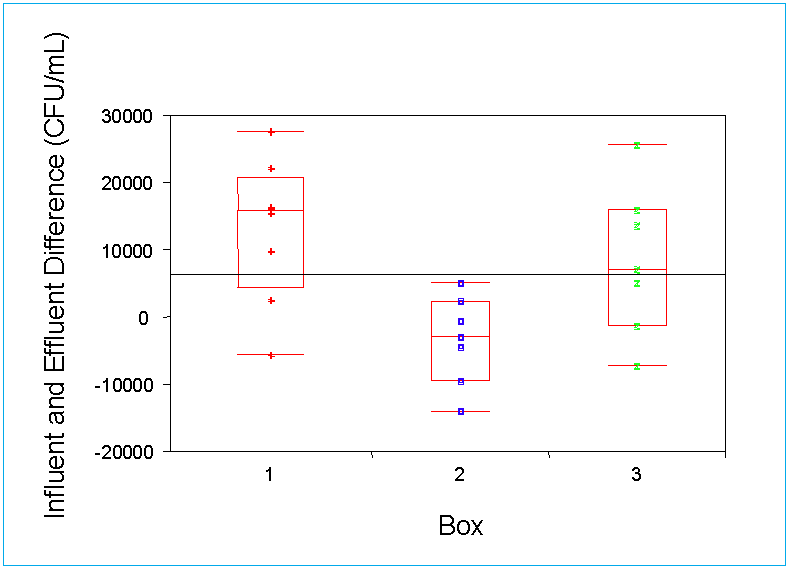
Figure 10. A box and whisker plot of the differences between
influent and effluent groundwater total
microbial counts for each treatment pine (Phytoreactor 1), poplar (Phytoreactor
2), and
control without plants (Phytoreactor 3). The upper and lower boundaries of each
box plot
are the 75th and 25th percentiles, respectively. Each upper and lower whiskers
end at the 90th and 10th percentiles, respectively.

*Diversity = Difference between #substrates utilized by effluent-influent groundwater bacteria.
Figure 11. BIOLOG measurement of microbial diversity in the groundwater from the three Phytoreactors.
Table 1. Ion Chromatography of influent and effluent groundwater samples.
|
Phytoreactor # |
Date |
Chloride |
Nitrite |
Nitrate |
Phosphate |
Sulfate |
|
|
Influent |
2 |
30-Mar |
2.93 |
3.80 |
2.44 |
0.86 |
|
|
Influent |
1 |
6-Apr |
5.97 |
4.04 |
11.57 |
0.95 |
|
|
Influent |
2 |
6-Apr |
3.23 |
5.47 |
1.39 |
0.79 |
|
|
Influent |
3 |
6-Apr |
3.23 |
5.63 |
0.70 |
0.76 |
|
|
Influent |
1 |
14-Apr |
3.19 |
4.92 |
<0.5 |
0.69 |
|
|
Influent |
3 |
14-Apr |
3.19 |
4.84 |
<0.5 |
0.76 |
|
|
Influent |
2 |
26-Apr |
3.34 |
6.07 |
<0.5 |
0.75 |
|
|
Influent |
2 |
18-May |
4.32 |
6.20 |
2.25 |
||
|
Influent |
1 |
22-Jun |
3.83 |
6.56 |
1.87 |
||
|
Influent |
2 |
22-Jun |
3.86 |
6.57 |
1.82 |
||
|
Influent |
3 |
22-Jun |
3.83 |
6.57 |
1.89 |
||
|
Influent |
1 |
20-Jul |
3.44 |
6.06 |
0.61 |
0.75 |
|
|
Influent |
2 |
20-Jul |
3.40 |
6.07 |
<0.5 |
0.75 |
|
|
Influent |
3 |
20-Jul |
3.45 |
6.08 |
0.76 |
||
|
Effluent |
1 |
30-Mar |
18.26 |
1.60 |
65.84 |
9.06 |
|
|
Effluent |
2 |
30-Mar |
22.32 |
<0.5 |
1.04 |
79.24 |
11.32 |
|
Effluent |
3 |
30-Mar |
38.76 |
<0.5 |
<0.5 |
144.68 |
7.66 |
|
Effluent |
1 |
6-Apr |
2.49 |
2.09 |
<0.5 |
7.08 |
|
|
Effluent |
2 |
6-Apr |
2.94 |
<0.5 |
2.08 |
<0.5 |
7.16 |
|
Effluent |
3 |
6-Apr |
2.81 |
1.93 |
<0.5 |
6.70 |
|
|
Effluent |
1 |
14-Apr |
2.15 |
0.98 |
<0.5 |
7.22 |
|
|
Effluent |
2 |
14-Apr |
3.08 |
<0.5 |
1.95 |
<0.5 |
5.72 |
|
Effluent |
1 |
26-Apr |
3.22 |
2.28 |
<0.5 |
4.44 |
|
|
Effluent |
2 |
26-Apr |
3.31 |
<0.5 |
4.55 |
<0.5 |
3.05 |
|
Effluent |
3 |
26-Apr |
3.19 |
<0.5 |
3.42 |
<0.5 |
4.52 |
|
Effluent |
1 |
18-May |
4.34 |
1.38 |
2.73 |
3.33 |
|
|
Effluent |
2 |
18-May |
4.26 |
1.51 |
4.86 |
2.43 |
|
|
Effluent |
3 |
18-May |
4.27 |
1.44 |
4.97 |
<0.5 |
3.28 |
|
Effluent |
1 |
22-Jun |
4.01 |
7.59 |
|||
|
Effluent |
2 |
22-Jun |
4.00 |
1.28 |
4.33 |
2.11 |
|
|
Effluent |
3 |
22-Jun |
6.21 |
11.24 |
|||
|
Effluent |
1 |
20-Jul |
3.67 |
<0.5 |
1.58 |
||
|
Effluent |
3 |
20-Jul |
5.02 |
<0.5 |
0.91 |
15.61 |
Table 2. Microcosms Established with SED 1 and SED 2
|
Electron Donor |
Electron acceptor |
Replicates |
|
Acetate |
PCE |
3 |
|
Acetate |
TCE |
3 |
|
Acetate |
cis-DCE |
3 |
|
Acetate |
VC |
3 |
|
Acetate* |
No electron acceptor |
1 |
|
H2 |
PCE |
3 |
|
H2 |
TCE |
3 |
|
H2 |
cis-DCE |
3 |
|
H2 |
VC |
3 |
|
H2* |
No electron acceptor |
1 |
|
Killed/H2* |
PCE |
2 |
|
Killed/H2* |
TCE |
2 |
|
Killed/H2* |
cis-DCE |
2 |
|
No Electron donor* |
PCE |
3 |
|
No Electron donor* |
TCE |
3 |
|
No Electron donor* |
cis-DCE |
3 |
|
No Electron donor* |
VC |
3 |
|
Lactate |
PCE |
3 |
|
Lactate |
TCE |
3 |
|
Lactate |
cis-DCE |
3 |
|
Lactate |
VC |
3 |
|
Lactate* |
No electron acceptor |
1 |
|
Lactate |
1,2-Dichloropropane |
1 |
|
Lactate |
1,2,3-Trichloropropane |
1 |
|
Lactate |
1,1,1-Trichloroethane |
1 |
* Controls
Table 3. Methanogenic activity in Microcosms for SED 1 and 2
|
Microcosm |
Methane peak height |
|
PCE lactate SED1 |
140 |
|
PCE acetate SED1 |
36 |
|
PCE H2 SED1 |
120 |
|
PCE no e- donor SED1 |
28 |
|
PCE kill 1 |
0 |
|
PCE kill 2 |
0 |
|
TCE lactate SED1 |
185 |
|
TCE acetate SED1 |
39 |
|
TCE H2 SED1 |
0 |
|
TCE H2 SED2 |
0 |
|
TCE no e- donor SED1 |
50 |
|
TCE kill 1 |
0 |
|
TCE kill 2 |
0 |
Table 4. Phytoreactor soil metabolic rates.
|
Chamber Number |
SS Phytoreactor number |
O2 ul/gram dry weight |
Std Dev O2/ gram dry weight |
CO2 ul/gram dry weight |
Std Dev CO2/ gram dry weight |
|
1 |
control |
N/A |
N/A |
N/A |
N/A |
|
2 |
Phytoreactor 1 shallow |
1.40 e-5 |
2.176 e-5 |
7.98 e-6 |
1.904 e-5 |
|
3 |
Phytoreactor 1 deep |
7.087e-6 |
1.1060 e-5 |
4.342 e-6 |
9.580 e-6 |
|
4 |
Phytoreactor 2 shallow |
1.192 e-5 |
2.041 e-6 |
3.395 e-5 |
8.027 e-6 |
|
5 |
Phytoreactor 2 deep |
7.134 e-6 |
1.221 e-5 |
3.026 e-6 |
7.724 e-6 |
|
6 |
Phytoreactor 3 shallow |
1.252 e-5 |
2.301 e-5 |
6.663 e-6 |
1.679 e-5 |
|
7 |
Phytoreactor 3 deep |
6.348 e-6 |
1.022 e-5 |
4.147 e-6 |
1.031 e-5 |